
Açaí Prime | Trusted Wholesale Açaí Supplier in New England
What is Açaí Pricing
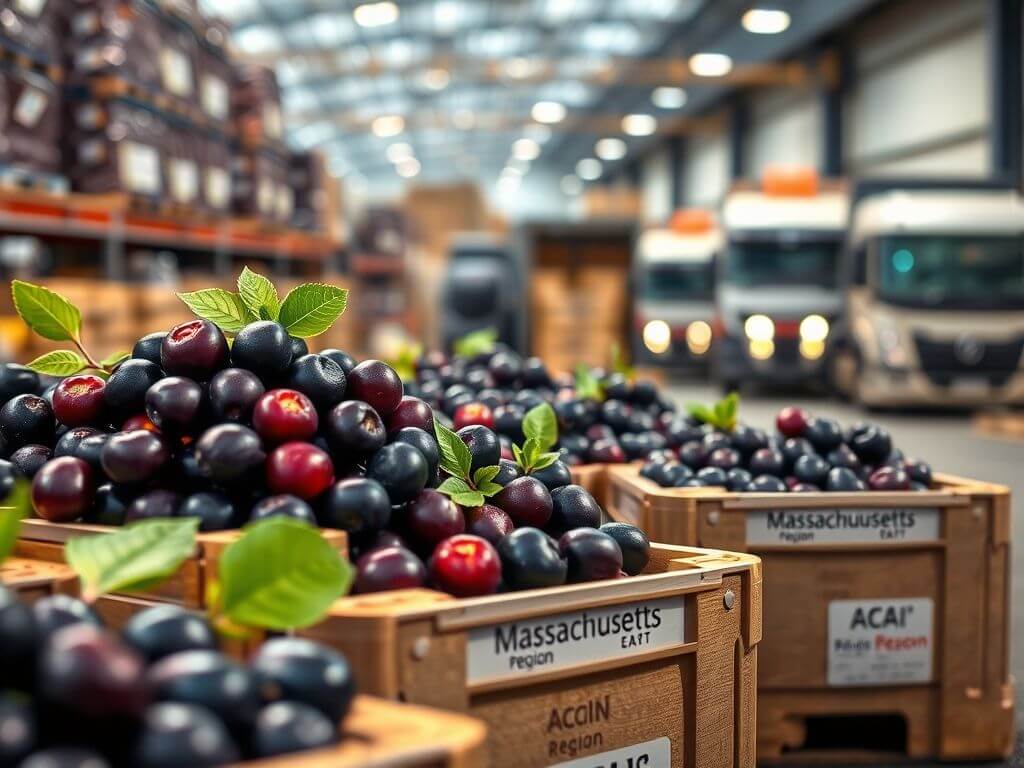
What is Açaí Pricing?
Açaí pricing refers to the cost structure associated with purchasing açaí products, particularly in the wholesale market. This includes various factors such as sourcing, quality, packaging, and distribution, specifically tailored for small business owners, distributors, retailers, and grocery stores in Massachusetts.
The Importance of Açaí Pricing in the Wholesale Market
Açaí has gained immense popularity due to its health benefits and versatility in food and beverage applications. Understanding açaí pricing is crucial for businesses aiming to remain competitive while ensuring profitability. For small business owners and distributors in Massachusetts, being informed about the pricing landscape can lead to better purchasing decisions and customer satisfaction.
Key Factors Influencing Açaí Pricing
Several factors contribute to açaí pricing in the wholesale market:
- Quality of Açaí: The quality of açaí berries affects pricing significantly. Premium quality berries, often organic and sustainably sourced, command higher prices.
- Source of Açaí: Açaí berries sourced directly from Brazil may have different pricing structures compared to those processed domestically.
- Shipping and Handling: Costs associated with transporting açaí products, especially frozen or pulped varieties, can impact overall pricing.
- Market Demand: Seasonal fluctuations and trends in consumer preferences can also lead to variations in pricing.
How to Determine Açaí Pricing for Your Business
For small business owners and distributors in Massachusetts, calculating the appropriate açaí pricing involves several steps:
- Research Suppliers: Compare prices from various suppliers to find competitive rates.
- Consider Quality: Ensure that the açaí you choose aligns with your brand’s quality standards.
- Analyze Your Costs: Factor in shipping, storage, and other operational costs when setting your prices.
- Monitor Market Trends: Stay informed about changes in consumer demand and adjust your pricing strategy accordingly.
Applications of Açaí Pricing in Daily Business Operations
Understanding açaí pricing can aid in various business operations:
Get Exclusive Access to Premium Açaí Wholesale Offers!
Sign up now to receive updates, special deals, and connect directly with Açaí Prime—your trusted açaí supplier in Massachusetts.
- Menu Planning: If you own a café or restaurant, knowing the cost of açaí can help you price smoothies, bowls, and other dishes accurately.
- Inventory Management: Effective pricing strategies can assist in maintaining optimal inventory levels, minimizing waste.
- Customer Engagement: Transparent pricing can enhance trust with customers who are increasingly interested in sourcing and sustainability.
Real-World Examples of Açaí Pricing
Let’s look at a few practical scenarios:
- A local smoothie bar in Massachusetts sources organic açaí from a Brazilian supplier at $5 per pound. They factor in a 30% markup for retail pricing.
- A grocery store sells frozen açaí packs at $6.50 each, after negotiating bulk pricing with a distributor.
Related Concepts in Açaí Pricing
Understanding açaí pricing connects to other aspects of the food and beverage wholesale market:
- Wholesale vs. Retail Pricing: Knowing the difference can help businesses strategize their pricing models.
- Sourcing Strategies: Effective sourcing can lead to better pricing negotiations and cost savings.
- Consumer Trends: Staying updated on health trends can influence pricing and product offerings.
Conclusion: Making the Most of Açaí Pricing
In conclusion, understanding açaí pricing is essential for small business owners and distributors in Massachusetts. By considering factors such as quality, sourcing, and market demand, businesses can make informed decisions that enhance profitability and customer satisfaction. Whether you are a retailer or a distributor, having a solid grasp of açaí pricing will empower you to navigate the wholesale market effectively and position your business for success.
Call to Action
Reflect on your current pricing strategies and consider how you can apply this knowledge of açaí pricing to optimize your business operations. Stay informed and proactive in your approach to the açaí market!